
Construction Management
LEED in Practice: What We Learned from a LEED Silver Project in Chambersburg
October 5, 2026
Ask someone what LEED means, and you will probably hear about energy efficiency, recycled materials, water conservation, or sustainable design. All of those ideas have a place in the conversation, but a LEED building does not come together through one green feature or one decision.
LEED construction is a process that brings sustainability goals into the planning, design, material selection, and construction of a building. For a contractor, that means paying attention to the details that support those goals before the final certification is awarded.
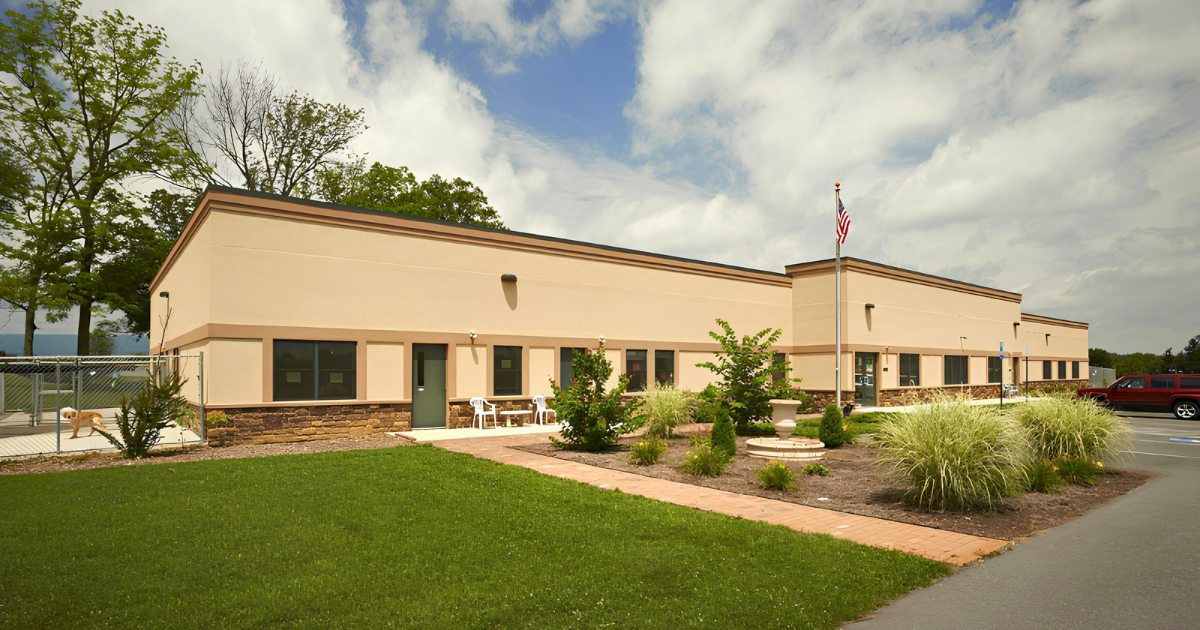
Brechbill & Helman has seen that process firsthand. The Cumberland Valley Animal Shelter in Chambersburg is a 12,600-square-foot, single-story facility that earned LEED Silver certification through the U.S. Green Building Council. The project was also the first animal shelter in Pennsylvania registered with USGBC.https://bandhconst.com/work/cumberland-valley-animal-shelter/
The finished building offers a useful look at what LEED in construction can mean when sustainability becomes part of the project from the beginning.
What Is LEED in Construction?
LEED stands for Leadership in Energy and Environmental Design. Developed by the U.S. Green Building Council, the LEED rating system provides a framework for designing, constructing, and operating buildings with measurable sustainability goals.
For new construction and major renovations, LEED Building Design and Construction, or LEED BD+C, uses prerequisites and optional credits to evaluate different aspects of a project. Teams select the rating system and credits that fit their project, document the work, and submit that documentation for review. The number of points earned determines the certification level.
LEED Silver represents 50 to 59 points under the LEED v4 and v4.1 systems. That framework gives project teams flexibility, but it also requires coordination. A sustainability goal has to translate into specifications, purchasing decisions, construction practices, documentation, and follow-through in the field.
A LEED Project Starts Before Construction
One of the clearest lessons from sustainable building is that the construction team needs to be involved early. A LEED goal can influence decisions about materials, site work, water use, energy performance, indoor environmental quality, and more. USGBC’s guidance emphasizes establishing priorities early, identifying the credits that support those priorities, and coordinating responsibilities across the project team.
For a contractor, that creates the responsibility to understand what the project is trying to accomplish and know what needs to happen during construction to support those goals. Pre-construction is a natural place for those conversations. Material selections, subcontractor coordination, scheduling, constructability, and procurement all have the potential to affect a project’s sustainability objectives. Addressing those issues early gives the team more opportunity to identify conflicts, evaluate alternatives, and keep the project moving in the same direction.
Brechbill & Helman’s pre-construction and construction management services are built around that kind of early coordination, including constructability analysis, value engineering, schedule control, cost management, and collaboration with the broader project team.
Material Choices Can Carry a Lot of Weight
At the Cumberland Valley Animal Shelter, sustainability shows up in some of the building’s physical features.
The exterior was designed to fit its local surroundings, using natural earth-tone colors. The windows and trim contain a high amount of recycled material, and the building’s white roof reflects heat away from the building during Pennsylvania’s warmer months.
These details illustrate an important part of LEED building design and construction: material decisions can contribute to broader project goals while still serving practical purposes.
A material cannot be selected simply because it sounds sustainable. The team has to consider how it performs, where it comes from, how it fits the design, how it will be installed, and what documentation may be required for the LEED process.
That is why communication between the owner, architect, engineers, contractor, and subcontractors becomes so important. A material choice made during design still has to make sense when it reaches the jobsite.
Sustainable Construction Has to Work in the Field
A set of plans can establish sustainability goals. Construction is where those goals have to become physical reality. That may mean coordinating material deliveries, verifying that specified products are used, maintaining documentation, managing waste, protecting completed work, or making sure subcontractors understand project requirements.
The details will vary from one LEED construction project to another; however, the underlying lesson is that sustainability is a team responsibility.
For contractors, that requires understanding how the credit connects to the work taking place each day. Having a practical perspective can also help protect the project from surprises. When sustainability requirements are discussed early and incorporated into the construction plan, the team has a better opportunity to identify potential conflicts before they become costly changes.
What the Cumberland Valley Animal Shelter Shows
The Cumberland Valley Animal Shelter is a good example of how sustainable construction can serve a building’s purpose rather than compete with it.
The 12,600-square-foot facility was designed to provide temporary shelter for animals while incorporating sustainable features throughout the building. It includes 58 dog dens, 57 cat condos, and additional enclosures for smaller animals. The result is a building with a very practical mission and a documented commitment to sustainable design and construction, earning a LEED Silver certification from USGBC.
A LEED project still has to function well for the people, organizations, and communities that use it. Sustainability is one part of a much larger construction equation that includes budget, schedule, durability, maintenance, safety, and long-term performance.
5 Lessons for Future LEED Construction Projects
Looking back at a completed LEED project can help teams approach the next one with a clearer understanding of where the work happens.
- Set the sustainability goals early. The sooner the project team knows what certification level and credits it is pursuing, the easier it becomes to coordinate those goals with the design and construction plan.
- Bring the contractor into the conversation. Construction teams can identify practical considerations related to materials, sequencing, procurement, subcontractor coordination, and constructability.
- Treat documentation as part of the work. LEED certification requires documentation of prerequisites and credits. Keeping records organized throughout construction is far easier than trying to reconstruct the process at the end.
- Look at the whole building. Sustainable construction encompasses many interconnected decisions. A strong project considers how individual choices contribute to the building’s broader goals rather than treating sustainability as a collection of isolated features.
- Keep the building’s purpose at the center. A sustainable building still needs to serve its occupants, fit its community, and perform well over time.
Taken together, these practices help make sustainability part of the construction process from the first planning conversation through project completion.
Building Sustainability Into the Process
LEED construction works best when sustainability is considered from the start and carried through every stage of the project. B&H brings that practical approach to commercial, industrial, and institutional construction, helping teams align project goals with the realities of the jobsite.
Planning a LEED project in Pennsylvania or the surrounding region? Contact Brechbill & Helman to discuss your goals and how our team can help bring them to the jobsite.